The Tutorial Trap: Why Building with AI Feels Easy Until It Doesn’t
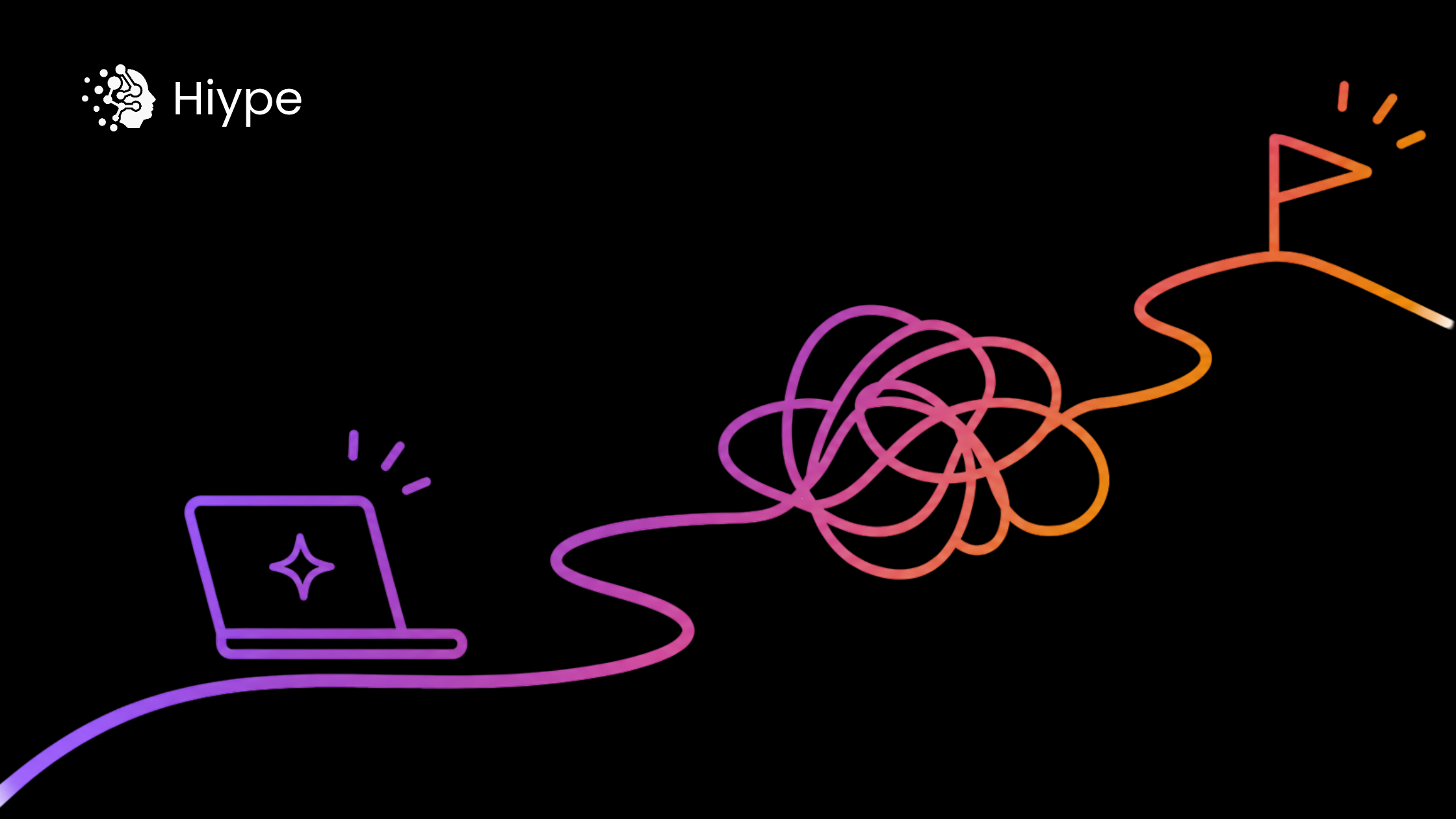
Scroll through tech feeds on any given day, and building software looks like it has been solved forever.
A 45-second screen recording shows someone typing three sentences into an AI builder like Cursor, Claude Projects, or Lovable, and suddenly a sleek, responsive customer dashboard appears out of thin air. The comments are ecstatic: "Software engineering is officially dead!" "Anyone can build an MVP on their lunch break!"
If you’re a founder, operator, or product thinker who has never written code, it feels like the ultimate superpower. You open up a new project, start prompting, and for the first twenty minutes, you feel like a wizard.
Then you find yourselves an hour or two in, or looking into how you can actually deploy your app, and realize the learning curve is steeper than you realized.
The Anatomy of the Wall
It usually starts innocently enough. You ask the model to add authentication so users can log in, or you try to connect an external API to pull in customer records.
Then the cracks appear:
The Ghost Error: The terminal spits out a red error block. You copy-paste the error back into the AI. It apologizes, says "I see the issue," rewrites a file, and hands you an entirely new error.
Context Amnesia: By prompt number fifteen, the model has completely forgotten how the database was structured in prompt three. It hallucinates a function that doesn't exist, quietly breaking your navigation bar in the process.
The Configuration Dead-End: You aren't even writing code anymore; you’re wrestling with environment variables, OAuth tokens, and webhook secrets that none of the clean 60-second video tutorials warned you about.
You didn't hit a wall because you're bad at prompting. You hit a wall because generative models are incredible at spinning up the first 80%, but notoriously brittle at navigating the subtle edge cases of the last 20%.
The Trap: Drowning in Video Tutorials
When people hit this wall, their natural instinct is to start searching: YouTube, Reddit, Discord channels, or 40-hour bootcamps.
And that is where momentum dies.
Generic tutorials only teach you how to build the instructor’s project on their clean, bug-free screen. They don’t know why your specific package versions conflict, why your database query timed out, or how to untangle your messy project architecture.
Before you know it, you’ve spent three days watching theory videos without writing a single line of working logic. Your unfinished prototype sits abandoned in an open browser tab, joining the graveyard of ideas you were excited about on Monday.
What Actually Unblocks You
Building internal tools, customer prototypes, and automated systems with AI has never been more accessible. The syntax barrier—memorizing brackets, semicolons, and language rules—really is disappearing.
What remains is the architecture and debugging barrier.
You don’t need an entire engineering agency to get your project over the line. And you definitely don’t need to enroll in a 30-hour course to figure out why your API route is throwing an error.
You just need an experienced builder to sit with you on screen-share for 45 minutes, look directly at what’s breaking, and say:
"Here’s why it’s looping: the model is overwriting your state on line 12. Let’s refactor this one file, fix the environment key, and keep moving."
When you have a practitioner in your corner, you don’t spend your weekend reading documentation you can't parse. You fix the problem live, learn the mental model to prevent it next time, and leave the session with software that actually runs.
Keep the Momentum
The superpower of modern AI isn't that it builds things flawlessly on the first try. It’s that it lowers the cost of trying.
The next time your prompt goes in circles or your build hits a wall, don't close the laptop or buy another video course. Bring the broken screen to someone who builds with these tools every day, unblock the bottleneck, and keep shipping.
At Hiype, you don't get a course—you get a coach. We connect non-technical builders, founders, and operators with experienced practitioners for live, 1:1 screen-share sessions to debug code, connect tools, and turn rough project ideas into working reality.